






![[Valid RSS]](https://www.futsalfocus.net/wp-content/uploads/2020/01/valid-rss-rogers.png "Validate my RSS feed")

Estimated reading time:4 minutes, 44 seconds
UEFA Futsal World Cup 2028 qualifiers, Group B review
Group B in Loughborough did not need long to reveal itself. Three matchdays, six games, and by the end Sweden had done enough to win the group, Northern Ireland national futsal team had taken second, and England and Switzerland were left to reflect on what might have been.
The standings look straightforward. The route to them was anything but.
This was a group defined less by dominance and more by moments handled well, or not handled at all.
The result that shaped everything
Every group has a pivot point. In Group B, it came early.
Northern Ireland’s 7–5 win over England national futsal team did more than produce an upset. It altered the pressure across the entire group. From that moment on, qualification was no longer about potential — it was about response.
England never fully recovered from it.
Sweden adapted to it.
Switzerland were forced to chase it.
Northern Ireland had already banked it.
That single result created the conditions for everything that followed.
Sweden: enough control to win it, even without fluency
Sweden national futsal team did not overwhelm Group B, but they did not need to.
Across the three matches, their advantage was consistent rather than spectacular. Against England on the final day, the numbers underline it clearly:
- 36 total attempts to England’s 29
- 14 shots on target to 10
- 8 corners to 4
Those are not overwhelming margins, but they are repeatable ones. Sweden spent more time asking questions than answering them, and across a short tournament, that is often enough.
England’s 19 blocks in that match tell their own story — Sweden kept coming, England kept resisting, but the balance never quite shifted.
Sweden’s group win was built on that pattern. They did not run away from games. They stayed in control of them.
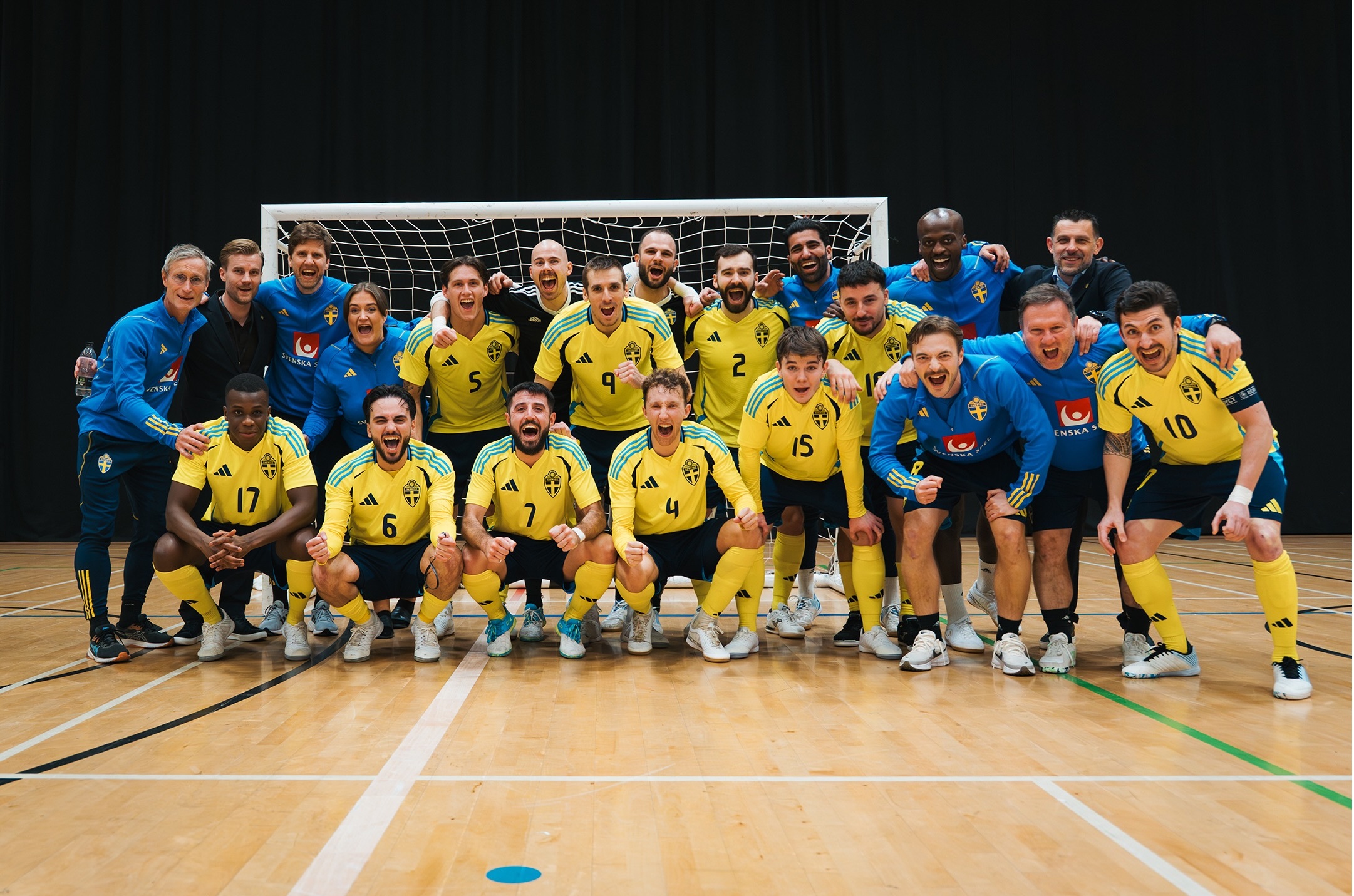
Group B winners Sweden – Source of the picture: swefutsal instagram picture
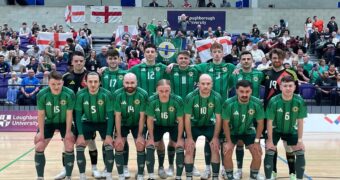
Northern Ireland: a campaign built on conviction
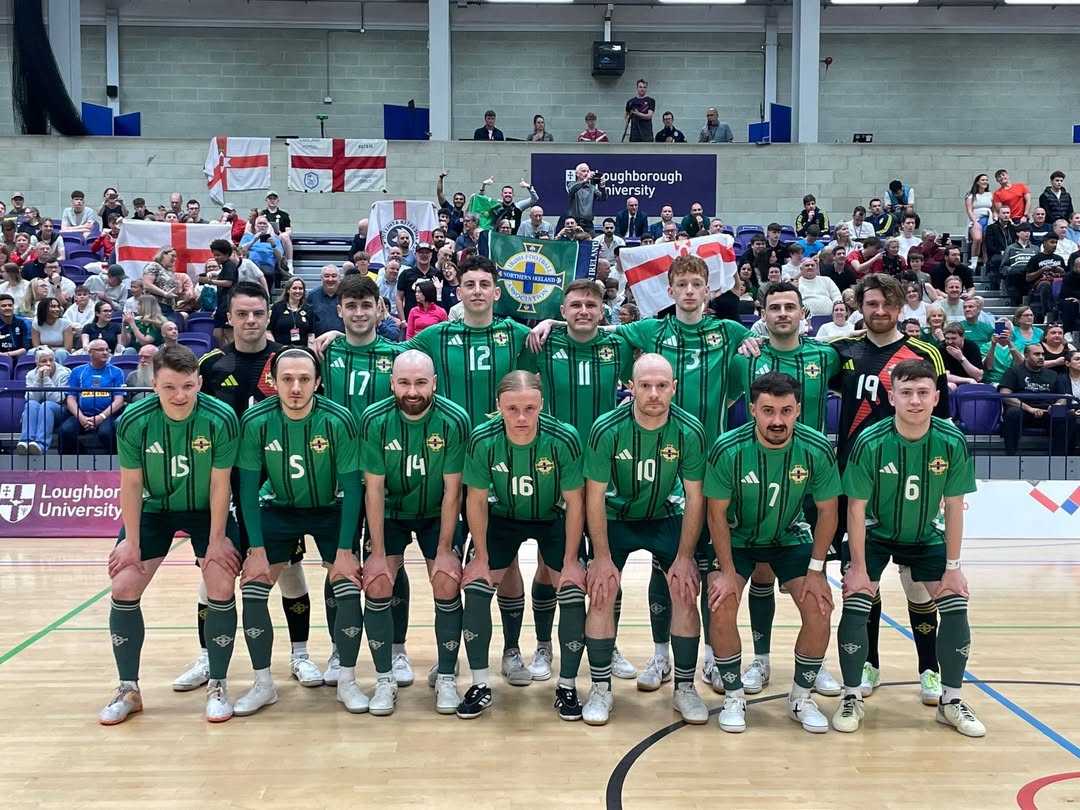
Northern Ireland’s second-place finish is the most significant outcome in the group, but not because it came from nowhere.
It came from clarity.
The defining win over England showed one side of them, aggressive, direct, willing to embrace a high-scoring game. But the final-day draw with Switzerland national futsal team revealed another.
That 3–3 match was balanced:
- 34 Swiss attempts to 28
- 11 shots on target each
- corners level at 8–8
Northern Ireland were not overwhelmed. They matched Switzerland chance for chance, even as the game shifted late.
But the detail matters. Leading 3–1 and conceding twice points to a team still learning how to close games at this level. That is not a weakness that cost them here — but it is one that will matter in the next round.
What carried them through this group was simpler:
When the key moments arrived, Northern Ireland took them.
England: output without control
England leave Group B as the most difficult team to assess.
Fifteen goals in three matches is elite output. The 9–0 win over Switzerland was one of the most emphatic results of the round. Even in defeat, they continued to create chances.
But the same pattern appeared in every match, England were always involved in the game, but rarely in full command of it.
The final match against Sweden illustrates it best:
- 29 attempts
- 10 on target
- 19 blocks defensively
England were active, committed, and dangerous — but they were also reacting. Too often, they were dealing with the game rather than shaping it.
That difference is subtle, but at this level it is decisive.
The loss to Northern Ireland made qualification difficult. The inability to control the tempo against Sweden ended it.
Switzerland: the numbers don’t tell the whole story — until they do
Switzerland’s campaign looks contradictory until you focus on one thing: finishing.
Across the group, they matched Sweden for total attempts in UEFA’s wider qualifying stats snapshot. Against Northern Ireland, they produced 34 attempts. Against England, 34 again.
The volume was there.
The goals were not.
Four goals across three matches, alongside 13 conceded, tells the real story. Switzerland were involved in every game, but rarely efficient in either penalty area. When they chased, they created. When they needed control, they lost structure.
The 3–3 draw with Northern Ireland summed it up. Enough quality to recover the game, not enough control to dictate it.
The difference across the group
The final table reflects more than just results. It reflects how each team managed the same environment.
- Sweden managed games
- Northern Ireland managed moments
- England managed chances
- Switzerland managed phases
Only two of those approaches were enough.
Final word
Group B did not produce a dominant team. It produced two teams that understood what the group demanded.
Sweden progressed because they kept matches within their control, even when they were not at their best.
Northern Ireland progressed because they recognised when games needed to be taken rather than managed — and they were brave enough to do it.
That is what separated them.
And that is what will be tested next.
Organ Donation
Futsal Focus is a supporter of Dáithí Mac Gabhann and his family’s campaign to raise awareness of Organ Donation. We encourage our readers to learn more about Organ Donation: https://www.organdonation.nhs.uk/
Futsal Focus
You can read more articles about International futsal by going to the top navigation bar or by clicking here.
If you like this article and would like to keep updated on Futsal news, developments, etc then you can now follow Futsal Focus via Google News by following our page.
You can also keep updated on Futsal news by submitting your email in the Subscribe to Futsal Focus option.
Follow Futsal Focus on Facebook, Twitter, or Instagram via the website.




